
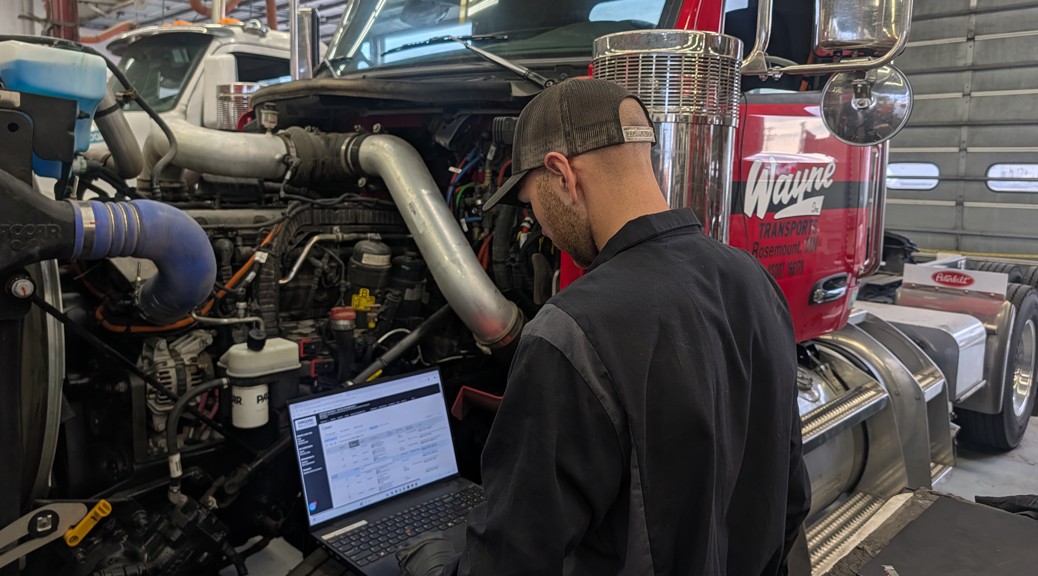
Diesel Exhaust Fluid (DEF) systems have been a common part of modern diesel trucks for years. While these systems help diesel engines meet emissions requirements, DEF-related problems have also become a major headache for truck owners and operators.
Now, the U.S. Environmental Protection Agency (EPA) has taken steps to address one of the biggest sources of those problems: the DEF quality sensor.
What Changed?
On March 27, 2026, the EPA issued new guidance that removes the requirement for diesel equipment manufacturers to use traditional DEF quality sensors, also known as urea quality sensors. Manufacturers can instead use more reliable NOx sensors to monitor the emissions system.
This is an important change for the trucking industry because faulty DEF sensors have been known to trigger warning messages, power reductions and other problems—even when there is nothing actually wrong with the DEF in the tank.
The EPA says the goal is to reduce unnecessary breakdowns, repairs and lost productivity while still meeting emissions requirements.
Why Does This Matter to Truck Owners?
Anyone who has dealt with a DEF-related fault knows how frustrating it can be.
A sensor can fail or provide an incorrect reading, causing the truck to believe there is a problem with the DEF system. In some cases, that can eventually lead to a derate, significantly reducing the truck’s power or speed.
For a truck that is making deliveries, hauling freight or working on a job site, losing power or having the truck sidelined can quickly become an expensive problem.
The EPA says its new guidance is intended to help prevent these situations by allowing manufacturers to use NOx sensors instead of the traditional DEF quality sensors.
Does This Mean DEF Is Going Away?
No.
The new guidance does not eliminate DEF or the emissions requirements for diesel engines. Instead, it gives manufacturers another way to monitor the emissions system.
In other words, the goal is to make the system work more reliably—not eliminate emissions controls altogether.
The EPA also says approved software updates using NOx sensor technology can be installed on existing engines without being considered illegal tampering under the Clean Air Act.
What Could This Mean for Fleets?
For trucking companies and fleet managers, fewer DEF-related failures could mean:
- Less unexpected downtime
- Fewer unnecessary repairs
- Fewer trucks sitting in the shop
- More reliable operation
- Lower maintenance costs
- Less lost revenue from trucks being out of service
The EPA estimates the change could save American operators billions of dollars each year. The Small Business Administration estimates approximately $4.4 billion in annual savings for farmers, while the EPA says the overall action could provide about $13.79 billion in annual savings to Americans.
The Bottom Line
DEF systems aren’t disappearing, but the way they are monitored is changing.
The EPA’s new guidance gives diesel engine manufacturers more flexibility to use NOx sensors in place of traditional DEF quality sensors. For truck owners and fleets, that could mean fewer false DEF failures, less downtime and lower repair costs in the future.
For an industry that depends on keeping trucks moving, more reliable emissions systems can mean more time on the road and less time in the shop.
What Should You Do Right Now?
Protect your investment by updating your 2017+ diesel truck at Allstate Peterbilt Group.
- In-Shop: Stop by or call your local branch to get updated quickly.
- On-Site: Let us come to you! Schedule multiple trucks at once to slash mobile travel costs and get your fleet back on the road together.