
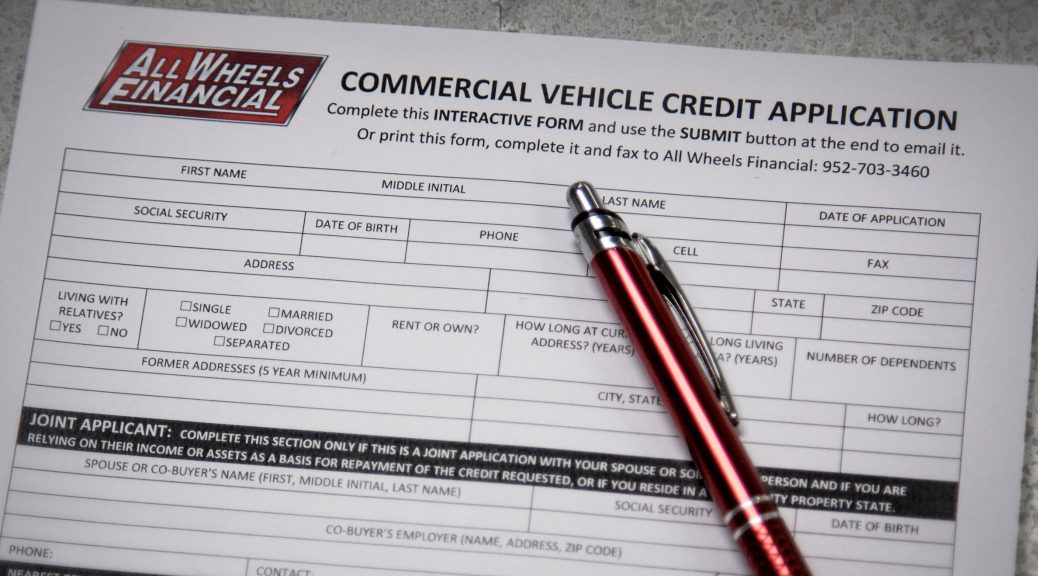
If you’re ready to buy a semi-truck — new or used — financing is often the most practical way to make it happen without draining cash reserves. But commercial truck financing comes with a different set of requirements than standard auto loans.
What Is Semi Truck Financing?
Semi-truck financing (or commercial truck financing) is a loan or lease designed specifically for heavy-duty trucks and trailers. The truck itself serves as collateral — similar to how mortgage or equipment loans work — and repayment terms typically range from 24 to 72 months, depending on the lender and the age of the truck.
You can often finance not just the truck but also trailers, warranties, GPS systems, maintenance plans — making it easier to get fully equipped for business from day one.
Key Requirements Lenders Typically Look For
When you apply for semi-truck financing, lenders will evaluate several factors to decide whether to approve your loan, and at what terms. Common requirements include:
Credit score:
A strong credit history improves your odds and gets you better interest rates. For many lenders, a credit score of 670+ is good, but some may accept lower scores (sometimes as low as ~580) — though at higher interest rates and with larger down payments.
Down payment / equity stake:
Depending on credit and lender requirements, you may need to put 10%–30% down, though amounts vary. Borrowers with better credit often pay less upfront.
Business entity / structure:
Many lenders prefer or require you to have a registered business (e.g., LLC or S-Corp) rather than a personal loan. This helps protect both you and the lender and often aligns with tax and liability considerations.
Driver credentials / CDL license:
If you’re the one driving the truck, you’ll almost always need a valid Commercial Driver’s License (CDL). Loans for trucks used in commercial hauling generally require proof that the truck will be operated legally.
Truck details (age, mileage, condition):
Since the truck itself is the collateral, lenders examine the truck’s make/model, condition, mileage, repair history — and many will avoid financing trucks that are too old or have very high mileage (e.g., over 700,000 miles).
Proof of insurance:
Before final approval, you’ll need valid commercial insurance coverage (liability, physical damage, cargo, potentially bobtail, depending on use) — so the lender knows the collateral is protected.
Steps to Improve Your Chances of Approval
Here are some best practices to help ensure your semi-truck financing application goes smoothly:
- Build or improve your credit score — On-time payments, reducing debt, and avoiding risky credit behavior helps land better interest rates and lower down payments.
- Form a legal business entity — Structure your business as an LLC or S-Corp (or as required) to meet lender preferences.
- Save for a down payment — Having 10–20% (or more, if needed) ready shows financial stability and makes your application more appealing.
- Choose a quality truck — Whether new or used, pick a model with good condition, reasonable mileage, and clean history. This improves collateral value.
- Get commercial insurance lined up — Have proof of insurance ready before applying, including coverage for liability, cargo, and damage.
- Apply to multiple lenders / get prequalified — Because requirements vary, it pays to shop around. Many lenders pre-qualify quickly with a “soft pull,” letting you compare terms without hurting your credit.
Which Financing Option Fits You Best?
Depending on your situation, different financing approaches may make sense:
- Standard loan (new or used truck): If you have good credit, down payment, and a clear business plan — this is a straightforward way to own your truck and build equity.
- Lease-to-own or rental-to-own: Particularly useful for newer operators or those with less startup capital, leasing can be a lower-cost entry point. Once you’ve stabilized revenue and built some equity, you might buy outright.
- Incremental growth approach: Start with a used truck (lower cost), build experience and cash flow, then upgrade to newer models once revenue stabilizes.
Final Thoughts — Making the Right Decision for Your Operation
Choosing between new vs. used trucks — and determining how to finance them — isn’t just a financial decision. It’s a business decision: How you buy (and pay) affects your cash flow, long-term costs, reliability, and growth potential.
- If your business relies heavily on uptime, long hauls, and consistent performance, investing in a new truck might pay off in the long run.
- If you’re starting small, budget-conscious, or want flexibility — a solid used truck financed responsibly can get you rolling without overextending.
- And if financing is required, make sure you meet the key requirements (credit, down payment, business structure, insurance, truck condition). Preparation can dramatically improve your approval odds.
At the end of the day: what’s “right” is what matches your goals, budget, and business strategy. Financing doesn’t have to be complicated. Whether you’re a first-time owner-operator or expanding your fleet, Allstate Peterbilt Group can help you get the financing you need for a new or used semi-truck. Our team partners with reputable lenders and can walk you through approvals, down payments, rates, and the documents you’ll need — step by step